Identify risks that DIY can handle
Simple maintenance tasks like clearing leaves from gutters, removing debris from the roof edge, and a visual check after a storm are reasonable DIY steps. If you’re comfortable using a sturdy ladder, wearing fall protection, and keeping the area clear, you can tackle small tasks without inviting trouble.
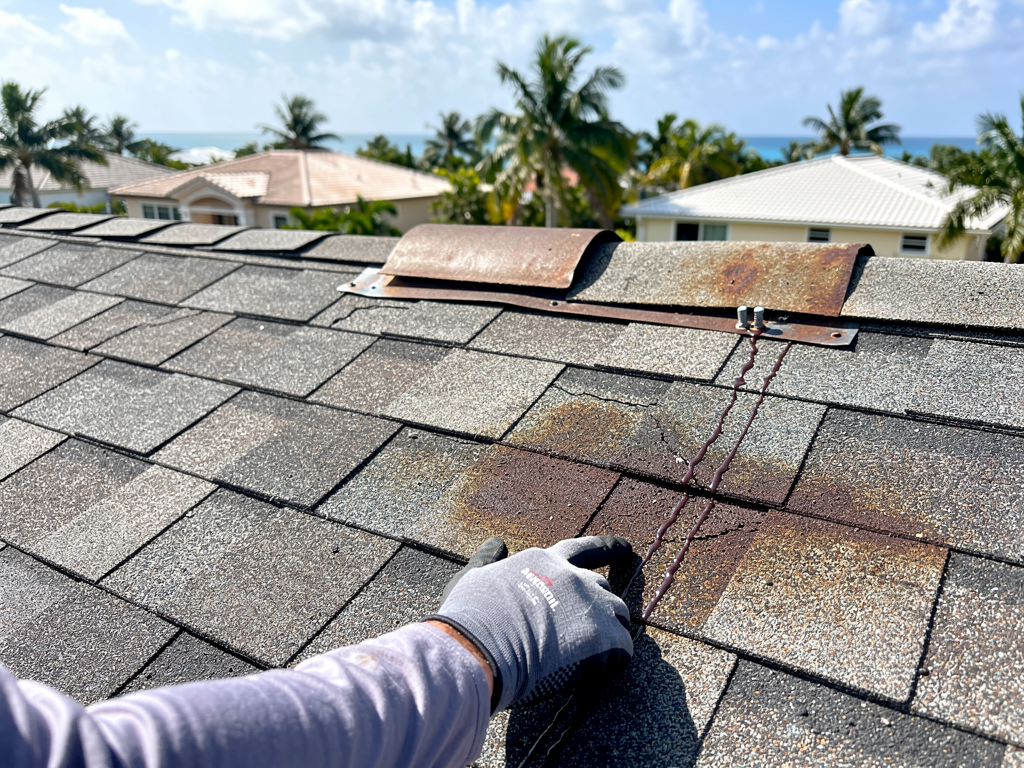
Basic resealing around exposed nails or a loose shingle that hasn’t broken is sometimes doable with the right products. Use manufacturer-recommended sealants and replacement shingles that match the existing roof. Don’t mix brands if you’re unsure about compatibility with the current roof system.
When it’s time to call a pro
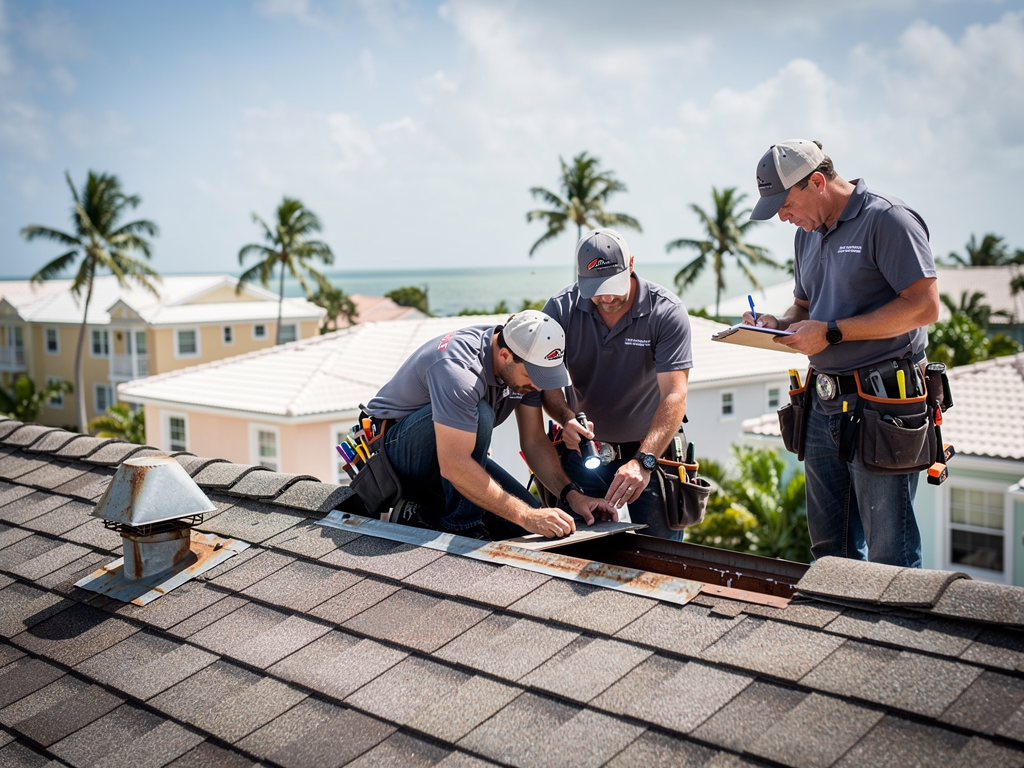
Heavy rains and high winds can push water into spots you can’t see from ground level. If you notice active water stains, vertical condensation, or a roof area that feels soft when you press with a broom handle, bring in a pro. A professional will safely access the roof, test for moisture, and determine if decking, underlayment, or flashing needs replacement.
Professional repairs are also important when the job involves complex components—chimneys, dormers, or multiple roof planes. Improper resealing or patching can lead to bigger leaks down the line. A trained roofer will ensure flashing, venting, and underlayment are integrated correctly with the shingles and ensure proper attic ventilation to avoid future issues.
Cost factors and planning
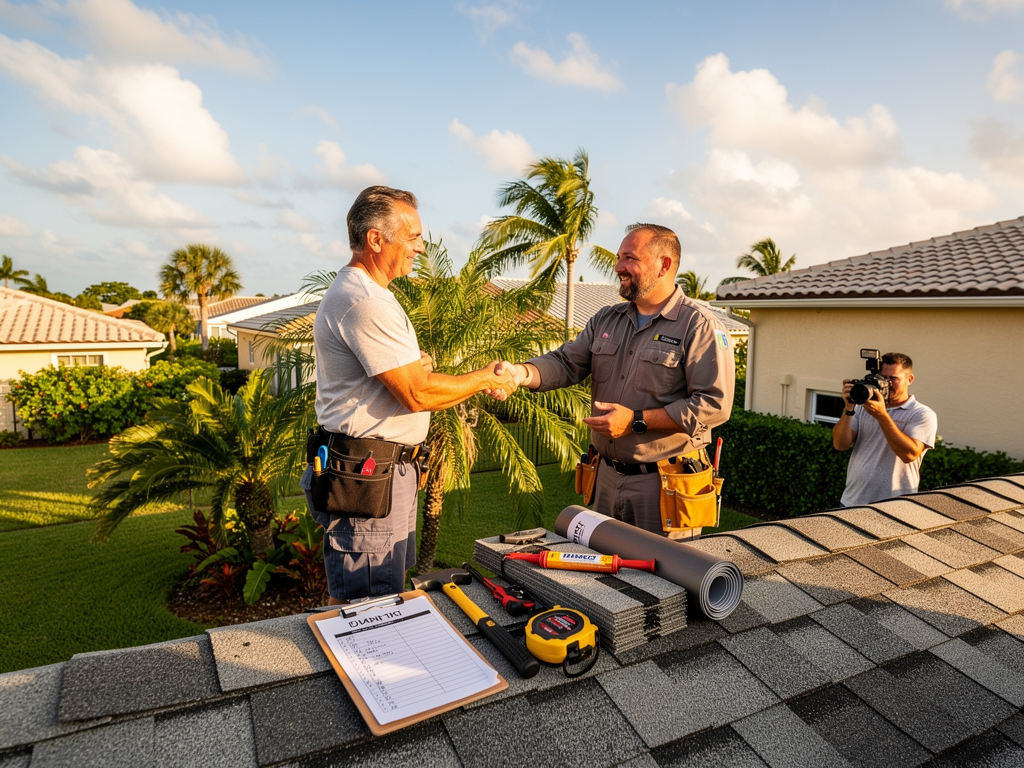
When you hire a pro, you’ll get an itemized assessment. A typical repair could involve shingle replacement, flashing adjustment, or resealing, depending on the source of the leak. A full roof replacement is a larger decision with factors like roof pitch, area, and decking condition driving the price. Ask for a no-surprise estimate that explains materials, labor, and any potential additional work that might come up during the project.
King Roofing Florida recommends a seasonal inspection schedule. A mid-year check helps address heat-driven wear, and a post-storm review ensures there are no unseen issues. Routine inspections can help you budget for necessary work rather than scrambling after damage.