Simple fixes you can handle safely
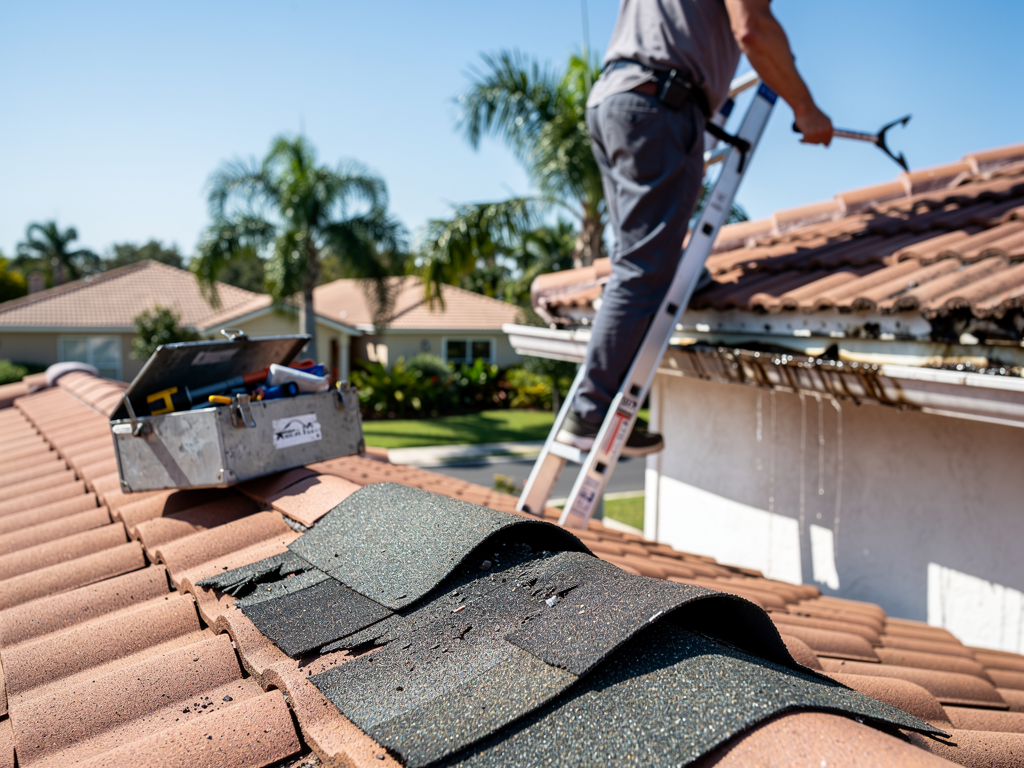
Some minor issues won’t require a full roof replacement. If you have loose shingles after a storm but the underlayment isn’t damaged, you might reseal and resecure with a few fasteners. Use a ladder stabilizer, work with a partner, and avoid stepping on weak spots. Keep you and your property away from power lines and ensure the area is dry before you climb.
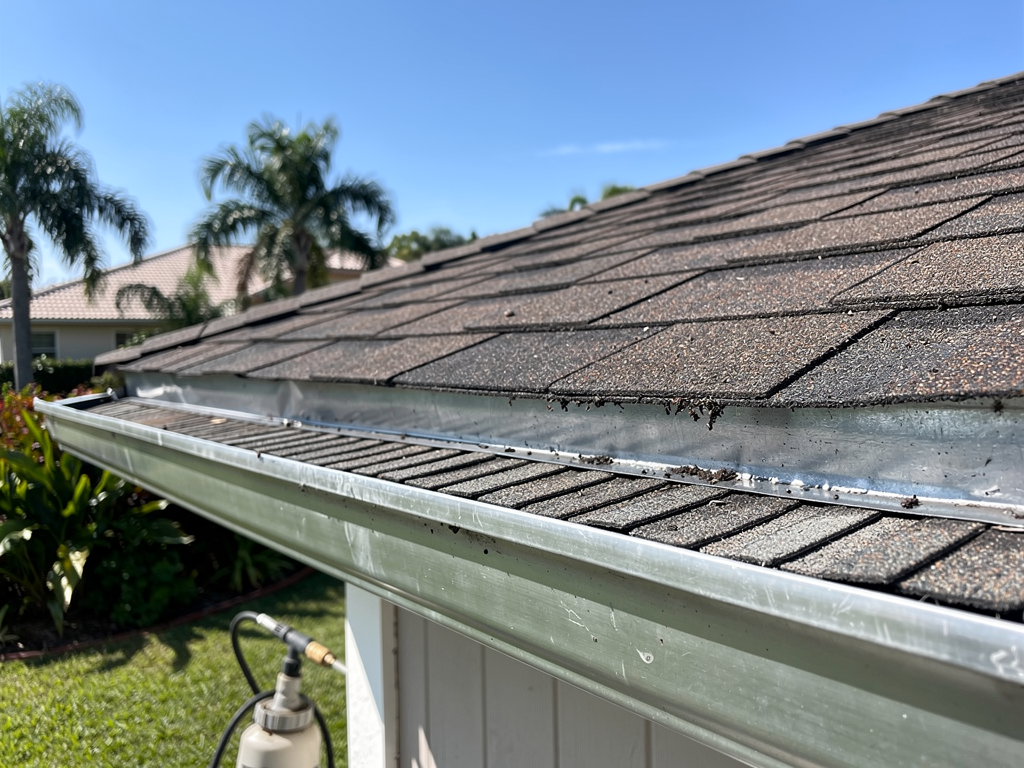
Caulking around flashing joints or vent pipes can often stop a small leak from spreading. Choose a roofing sealant appropriate for your material and climate. Florida’s sun and humidity demand a sealant with good heat resistance and UV stability. Apply as directed on the product, and don’t overdo it—too much sealant can trap moisture and cause more trouble.
When DIY crosses the line
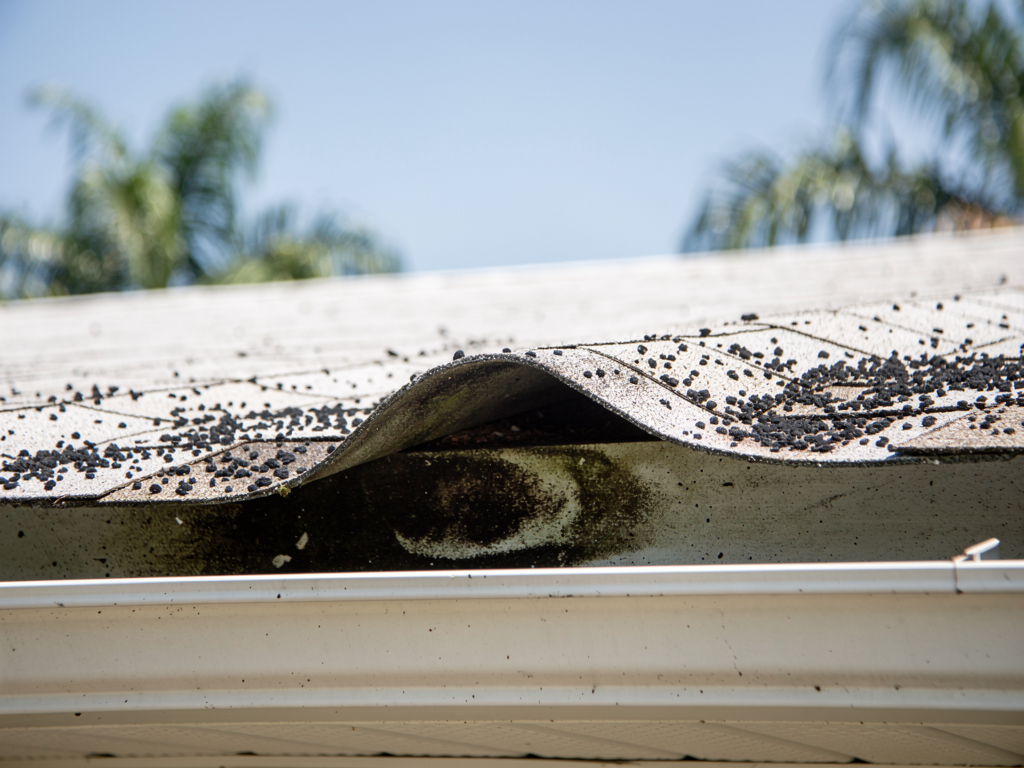
If you see widespread curling, raised shingles, or signs of interior water intrusion, call a professional. Significant leaks, sagging roof sections, or visible daylight through the decking mean the problem isn’t DIY-friendly. These conditions require a safety plan and proper equipment that a trained crew brings to the job.
Electrical or plumbing penetrations near the roofline add risk. If you’re unsure about any part of the repair, it’s safer to bring in a pro. King Roofing Florida serves homeowners across Florida and can send a local crew to assess and handle the repair with proper fall protection and equipment.
How to decide in Florida’s climate
Weather in Florida shifts quickly. If a repair requires time, plan around seasonal storms and hot, sunny days. A professional assessment gives you a realistic timeline and a warranty‑friendly plan. We’ll explain what needs replacement vs. what can be patched and help you prioritize safety and long‑term durability.